
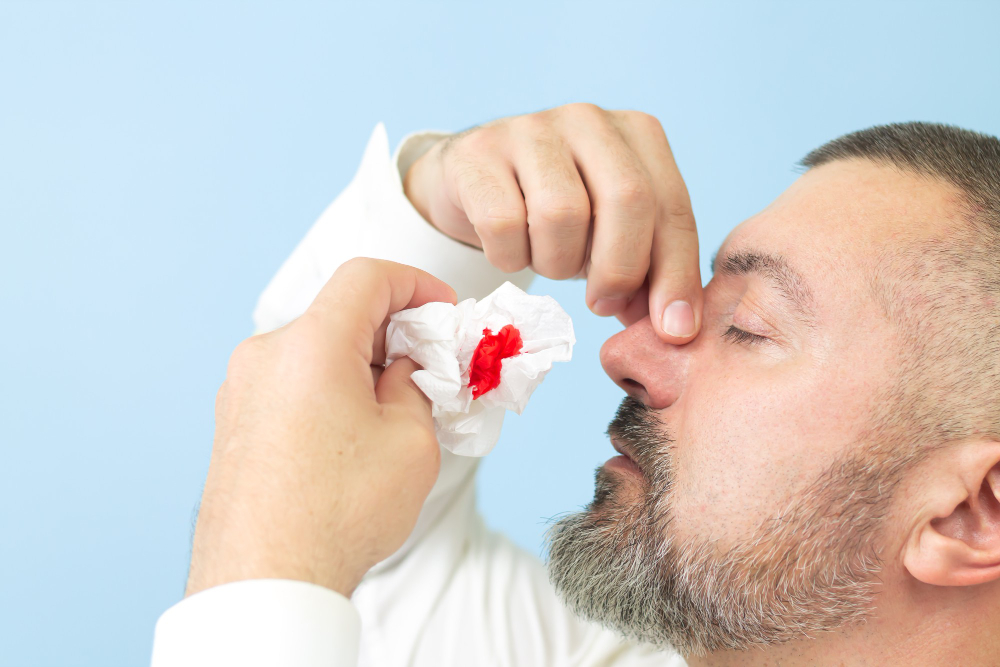
What Is a Nosebleed in Winter?
Nosebleed in winters is a common problem, especially in cold climates. Many people notice their nose bleeds more often during winter months. This happens because the air is dry and cold. As a result, the inside of your nose can become dry and cracked. This makes it easy for blood vessels to break and bleed. Winter nosebleed causes include dry air, indoor heating, and sudden temperature changes. Preventing nosebleeds in cold weather is important for your comfort and health.
Common Causes of Nosebleeds During Winter
During winter, several factors can lead to nosebleeds. Understanding these can help you avoid them. For example, dry air nosebleed is very common when heaters run indoors. The air loses moisture, making your nose dry. In addition, blowing your nose too hard can hurt the blood vessels. Sometimes, catching a cold or having allergies can also make your nose bleed. Even picking your nose or using certain medicines can increase the risk.
According to the CDC, dry air is a leading cause of winter nosebleeds.
Symptoms to Watch For
Most nosebleeds are easy to spot. However, it helps to know what to look for. Usually, blood drips or flows from one nostril. Sometimes, both nostrils may bleed. You may also feel dryness or a crust inside your nose. In some cases, you might taste blood in your mouth. If the bleeding is heavy or lasts longer than 20 minutes, it is a sign to get help. Also, if you feel dizzy or weak, you should seek care.
How to Prevent Nosebleeds in Cold Weather
Thankfully, you can take simple steps to prevent nosebleeds in winter. For instance, keeping your nose moist helps a lot. Using a humidifier for nosebleeds can add moisture to the air. This makes your nose less likely to dry out. Here are some easy tips:
With these steps, you can lower your risk of winter nosebleeds.
Home Remedies and Immediate Care
If you get a nosebleed, do not panic. Most nosebleeds are not serious and stop on their own. However, you can take steps to stop the bleeding quickly. Here is what you should do:
After the bleeding stops, try not to touch or blow your nose for a few hours. This helps the blood vessels heal. If you have frequent nosebleeds, ENT advice for winter nosebleeds can be helpful.
When to See a Doctor
Most nosebleeds are harmless. Still, there are times when you should seek medical help. For example, if the bleeding lasts longer than 20 minutes, see a doctor. If you lose a lot of blood or feel faint, get help right away. In addition, if you have nosebleeds often, it could be a sign of another problem. People who take blood thinners or have bleeding disorders should be extra careful. If your child has frequent nosebleeds, talk to a doctor. An ENT specialist can check for any serious issues and give you the right treatment.
Conclusion
Nosebleed in winters is common, but you can prevent it with simple steps. Use a humidifier, keep your nose moist, and avoid picking your nose. If you experience frequent or severe nosebleeds in winter, consult an ENT specialist for personalized advice.