
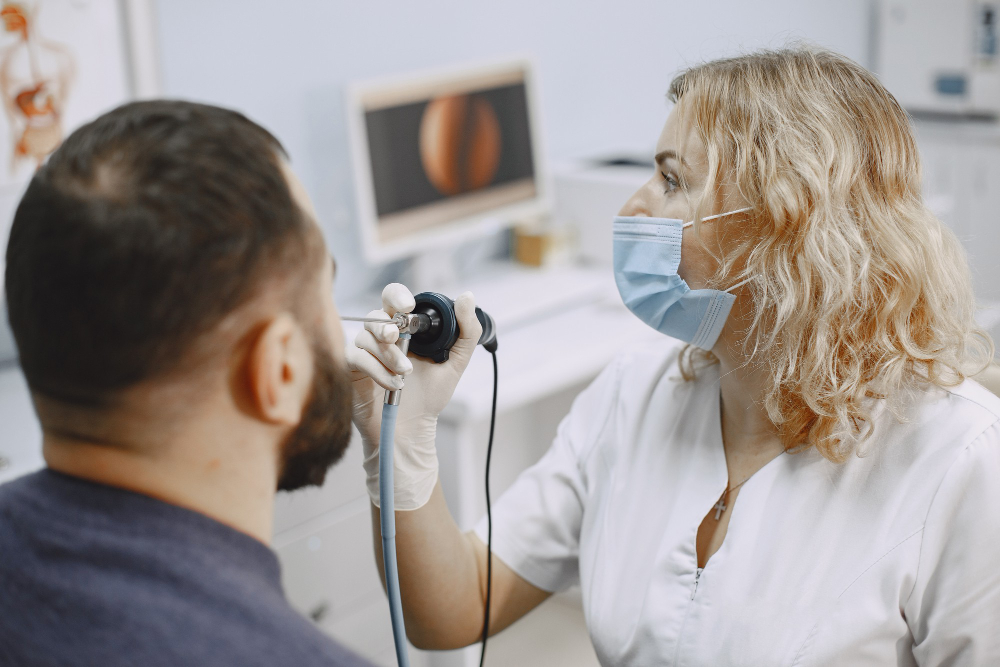
Are you scheduled for an ENT endoscopy? This simple test helps doctors look inside your ears, nose, or throat. ENT endoscopy preparation is easy, but knowing what to expect can help you feel calm. Usually, people with ongoing ear, nose, or throat problems need this procedure. In this guide, you will learn how to get ready for ENT endoscopy, what happens during the test, and tips for a smooth experience.
What Is an ENT Endoscopy?
ENT stands for Ear, Nose, and Throat. An ENT endoscopy is a test that lets your doctor see inside these areas. They use a thin, flexible tube with a camera called an endoscope. Because the camera sends images to a screen, your doctor can check for swelling, infection, or other problems. This test is quick and usually done in an ENT clinic near you.
Why Is ENT Endoscopy Performed?
Doctors use ENT endoscopy to find the cause of symptoms like:
Sometimes, this test helps check for growths, infections, or injuries. Because it gives a clear view, doctors can plan the best treatment for you.
Step-by-Step Preparation Guide
Good ENT endoscopy preparation helps your visit go smoothly. Follow these steps to get ready:
Pre-appointment Instructions
Dietary and Medication Guidelines
What to Bring on the Day
How to Dress and What to Expect
What Happens During the Procedure?
When you arrive, a nurse may ask about your health and explain the steps. Next, you will sit in a chair. The doctor may spray a numbing medicine in your nose or throat. This helps prevent discomfort. Then, the doctor gently passes the endoscope into your nose or mouth. You may feel a tickle or slight pressure, but it should not hurt. The doctor looks at the screen and checks for any problems. The whole test usually takes less than 15 minutes.
Aftercare and Recovery Tips
After the test, you can usually go home right away. However, you may feel numbness in your throat for a short time. Here are some tips for a smooth recovery:
Most people return to normal activities the same day.
Frequently Asked Questions
In summary, ENT endoscopy preparation is simple and helps your doctor find the cause of your symptoms. If you have questions, consult an ENT specialist for personalized advice before your endoscopy.